Shellac for Heritage Conservation & Restoration — Traditional Lac Materials, Documented
Much historic furniture was finished with shellac, and restorers still use it to repair and match those finishes. Here are the lac materials conservation workshops use and how to buy them with the documentation conservation work needs.
Why restorers use shellac
French polish — shellac applied in thin coats with a pad — was the standard finish on fine furniture through much of the nineteenth century, so restoring that furniture usually means working with shellac again. Shellac stays soluble in alcohol, so new shellac blends into an old shellac surface and can later be removed with the same solvent. That makes it a like-for-like, reversible material for many repair jobs.
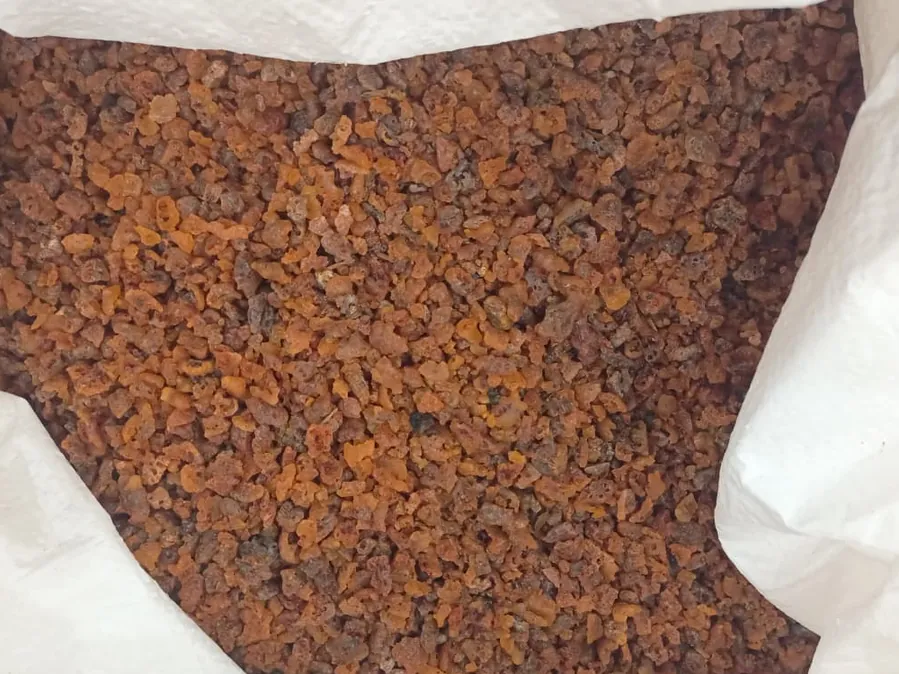
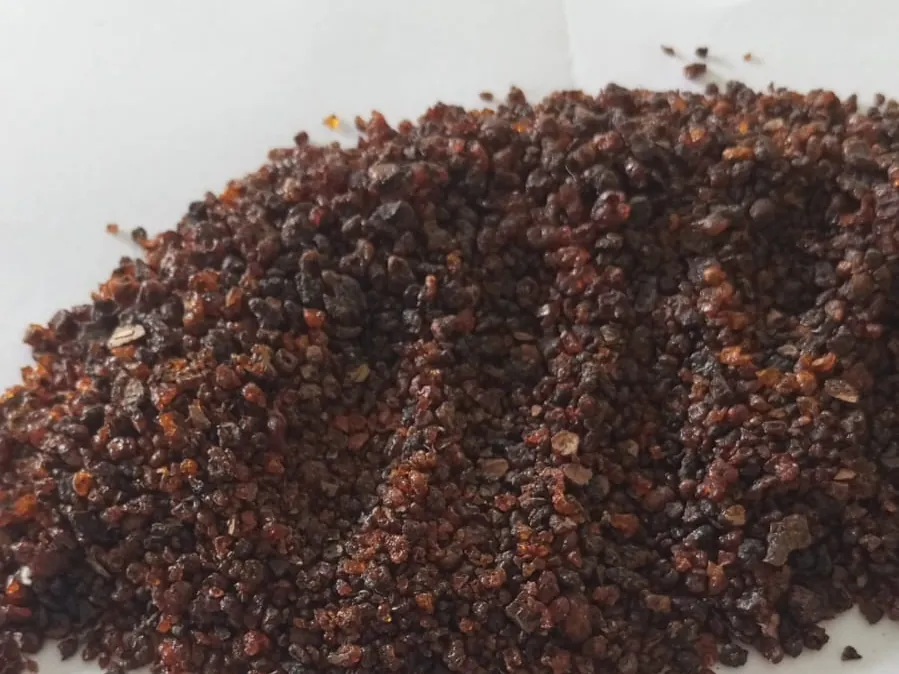
| French-polished antique furniture | Button lac and orange or garnet shellac flakes for warm, period tones |
| Clear coats on pale or gilded surfaces | Pale dewaxed shellac (Platina, Super Blonde) without wax haze |
| Textile conservation | Lac dye for dyeing support fabrics to match historic reds — see natural textile dyeing |
| Surface wax and polish | Lac wax in polish and wax blends |
| Picture varnish and retouching | Dammar resin, No. 1 and No. 2 grades |
Matching an old finish
Colour is set mainly by the lac crop and host tree: Kusmi lac gives paler shellac, Baisakhi darker and more orange. To match an existing finish, order samples of two or three neighbouring grades and test them on the piece or a matching offcut. Old shellac has often darkened and lost solubility with age, so match to the colour you see, not to a grade name.
Traceability and documentation
Conservation records need to say what was used. Every lot we ship carries a batch number that matches its COA, so you can record the material, grade and lot in your treatment report. Keep a small retained sample of each lot you use. Shellac ages in storage, so buy in quantities you will use and store it cool and dry — see why shellac blocks in storage.
Who this is for
Furniture restorers and conservation workshops, museum and heritage conservation departments, textile conservators, and suppliers of traditional finishing materials. For instrument repair, see musical instrument finishing.
How we supply restorers
We supply button lac and shellac flakes from a 100 kg MOQ, dewaxed grades from 25 kg, lac wax from 50 kg, and lac dye from 25 kg, each with a batch COA. Samples of 100–500 g are available for colour and compatibility trials. We ship FOB Kolkata, CFR or CIF; restorers in Italy can read our Italy guide.
Quick answers
Is shellac a reversible finish? Largely, yes. Shellac stays soluble in alcohol, so it can be removed or blended with fresh shellac. Very old, heat-aged shellac can become less soluble, so test first.
Which shellac grade matches antique furniture? Most antique French polish reads as amber to reddish brown, so button lac, orange or garnet flakes are the usual starting points. Order neighbouring grades and test on the piece.
Can lac dye be used in textile conservation? Yes. Conservators use lac dye to dye support fabrics and repair threads to match historic reds, usually with an alum mordant. Test the shade on the actual fabric first.
This guide summarises publicly available information and industry practice as of October 2026. Run your own trials and check the rules for your market before ordering. It is not legal advice.
Restoring Historic Finishes?
Button lac, shellac flakes, lac dye and lac wax with batch COAs. Samples for colour matching before you order.