Gum Rosin & Natural Resins — Supplier from India
Colophony rosin in X, WW, WG and N grades, dammar resin and custom natural resin blends for adhesives, printing inks, rubber compounding, electronics and coating applications. Direct exporter from India. Dammar resin ₹160 – ₹170 per kg; gum rosin price on request, dammar MOQ 100 kg; gum rosin MOQ 500 kg.
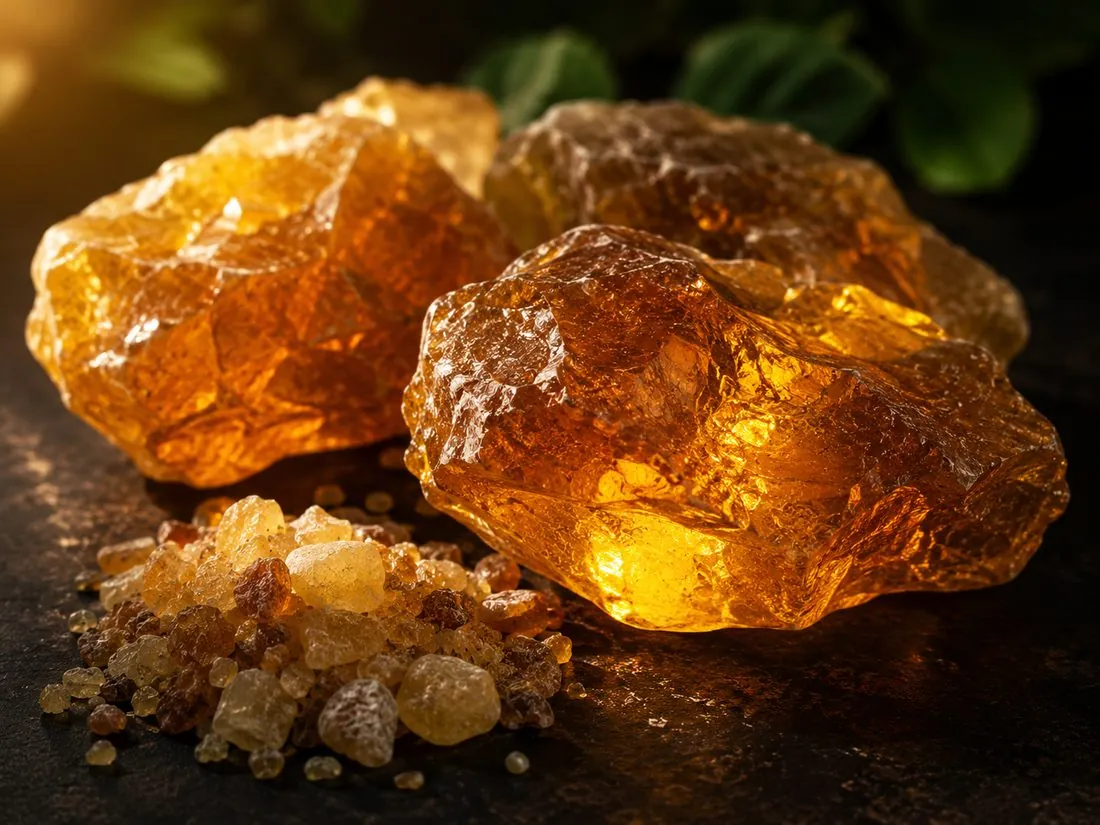
Rosin & Natural Resins
We supply a curated range of natural resins beyond our core lac and shellac products. Our rosin (colophony) range covers X, WW, WG and N colour grades — widely used in printing inks, adhesives, rubber compounding, soldering flux and paper sizing. Dammar resin is available for fine art, conservation and specialty coating applications. We also formulate custom natural resin blends to meet specific customer technical requirements.
If you need a natural resin not listed here, contact us with your specification — we can often source or blend to your exact requirement.
Products Available
Technical Specifications — Rosin (Colophony)
| Type | Gum rosin (from pine tree resin) |
| Grades | X / WW (Water White) / WG (Window Glass) / N — palest to darkest on the USDA rosin colour scale |
| Softening Point | 65–80°C (grade dependent) |
| Acid Value | 155–175 mg KOH/g |
| Colour | Graded on the USDA rosin colour scale; Gardner value stated on each batch COA |
| Moisture | Less than 1% |
| Unsaponifiables | Less than 8% |
| Standard Packing | 25 kg bags / 225 kg drums |
| Minimum Order | Gum rosin 500 kg · dammar 100 kg |
| Lead Time | 7–10 working days |
| Incoterms | FOB Kolkata / CFR / CIF |
Industry Applications
Printing Inks
Rosin-based binder and tackifier for offset, flexographic and letterpress ink formulations.
Adhesives
Tackifier resin in pressure-sensitive, hot-melt and solvent-based adhesive systems.
Solder Flux
Rosin-core solder flux and wave soldering flux for electronics PCB assembly.
Rubber & Tyres
Plasticiser and reinforcing resin in rubber compounding for tyres, belts and seals.
Paper Sizing
Internal and surface sizing agent improving paper strength, water resistance and printability.
Fine Art & Conservation
Dammar resin for artists varnishes, restoration of antique paintings and encaustic art media.
Samples, Shipping & Documents for Rosin & Natural Resins
| Samples | 100–500 g on request. The courier charge is deducted from your first bulk invoice. |
|---|---|
| Quotation | Dammar resin ₹160 – ₹170 per kg; gum rosin quoted on request. Freight and insurance are added by Incoterm (FOB Kolkata, CFR or CIF) — tell us grade, quantity and destination port and we confirm within 24 hours. |
| By sea | FOB Kolkata, CFR or CIF to your port. |
| Bangladesh | By road via the Petrapole–Benapole border on FCA or DAP terms. See our Bangladesh buyer guide. |
| Vietnam | Certificate of origin Form AI under the ASEAN–India FTA, for reduced import duty. See our Vietnam buyer guide. |
| Documents | COA from a NABL-accredited laboratory, MSDS, technical data sheet, commercial invoice, packing list, certificate of origin; phytosanitary certificate where the destination requires it. |
| Payment | T/T (50% advance for new buyers) or LC at sight. |
| Packing & MOQ | See the specification table above; private-label packing on request. |
Buyer Guides
- Natural Resins for Adhesives
- Printing Ink & Varnish
- Heritage Restoration (dammar)
- Exporting to Italy
- Incoterms for Resin Buyers: FOB, CFR, CIF and DAP Explained
- COA, MSDS, TDS: Reading the Documents That Ship With Your Order
Or WhatsApp us about Rosin & Natural Resins →
Rosin & Natural Resins — Common Questions
What is the difference between gum rosin and wood rosin?
Gum rosin is distilled from the resin tapped from living pine trees, after the turpentine is removed. Wood rosin is solvent-extracted from old pine stumps. We supply gum rosin.
What do X, WW, WG and N grades of gum rosin mean?
They are colour grades on the USDA rosin scale, from palest to darkest: X, WW (water white), WG (window glass) and N. Paler grades suit colour-sensitive inks, adhesives and varnishes. The grade describes colour; acid value and softening point are stated on the COA.
What is gum rosin used for?
Mainly as a tackifier in adhesives, a binder in printing inks, in solder flux, in rubber compounding and in paper sizing. It is also the raw material for rosin esters.
What is dammar resin used for?
Dammar is a natural tree resin used in artists' picture varnishes, encaustic painting, conservation work and specialty coatings. We supply No. 1 and No. 2 grades.
What is the softening point of gum rosin?
Typically 65–80 °C by the ring and ball method, depending on grade, with an acid value of 155–175 mg KOH/g. The measured values are on each batch COA.
Is rosin the same as shellac?
No. Rosin comes from pine trees; shellac comes from the lac insect. Rosin is cheaper and more brittle and is sometimes used to adulterate shellac, which is why the E904 specification requires rosin to be absent.
Need a Custom Resin Blend or Specification?
Tell us your requirements and we will source or formulate to your exact specification within 24 hours.