What Is E904 Shellac? A Buyer's Guide
If you import shellac for food or confectionery use in Europe, "E904" is the two-word answer your compliance team needs. Here is what it actually means, which grades qualify, and the paperwork to ask for — from a supplier that ships it.
- E904 is the EU food additive number for shellac; INS 904 in Codex; "confectioner's glaze" on US labels.
- Since Regulation (EU) 2026/189, only wax-free bleached shellac (wax ≤ 0.2%) meets the E904 specification.
- Purity criteria are in Regulation (EU) No 231/2012; permitted uses in Regulation (EC) No 1333/2008.
- Ask for a batch COA, a compliance declaration, SDS and certificate of origin with every lot.
E904, in plain terms
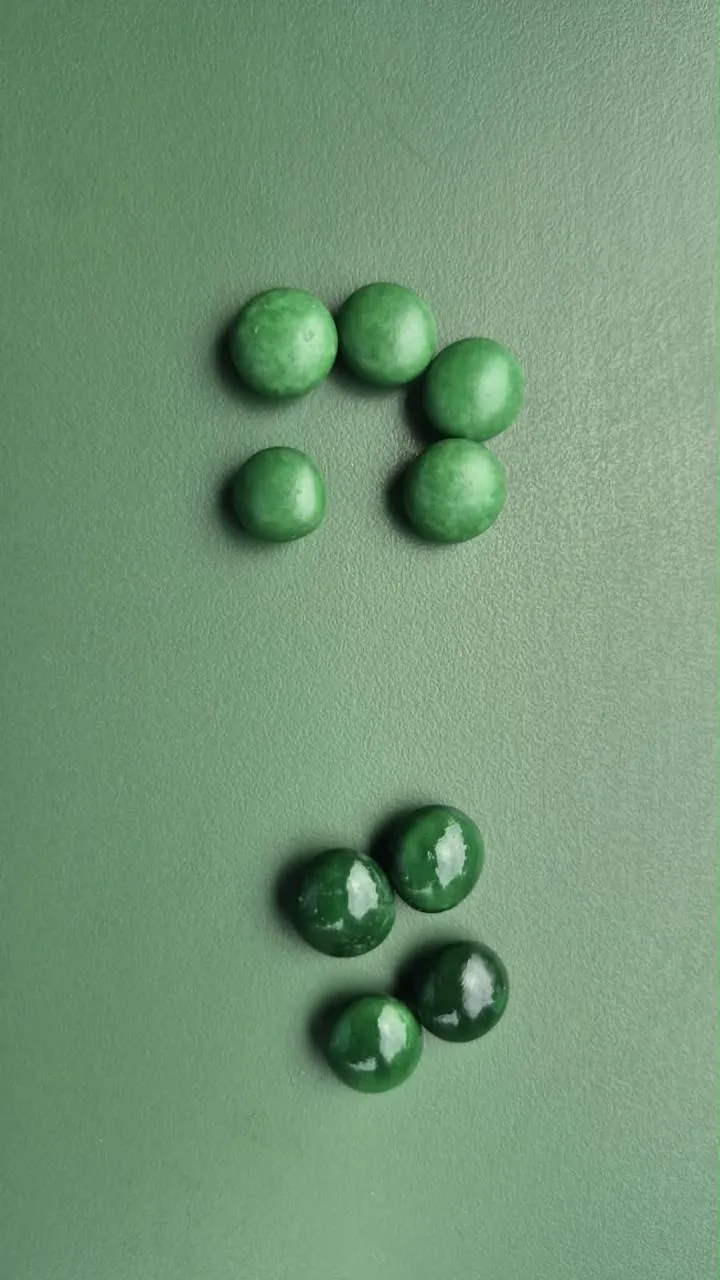
E904 is the EU food additive number for shellac — a natural resin made by the lac insect (Kerria lacca), cultivated mainly across Jharkhand, Chhattisgarh and adjoining states of eastern India. After the raw lac is cleaned and processed, shellac is used as a glazing agent: a thin, glossy coating that gives food a shiny finish and protects it from moisture.
You'll find it on:
- Chocolates and sugar-panned candies
- Fresh fruit — apples and citrus especially
- Coated nuts and coffee beans
- Tablets, capsules and supplements
Because it comes from a natural source, shellac is widely used in both the food and pharmaceutical industries. Internationally the same substance is listed as INS 904 in the Codex system; on US labels it usually appears as "confectioner's glaze" or "resinous glaze".
Is every shellac food grade? No — and this is where buyers go wrong
Shellac is also sold for furniture polish, wood finishes and industrial coatings. Those grades are not suitable for food, and the difference isn't just a label. Only material meeting the EU's purity criteria — laid down in Commission Regulation (EU) No 231/2012 — may be used as E904. The regulation originally described two forms, wax-containing and wax-free (dewaxed) shellac. Since Commission Regulation (EU) 2026/189 (January 2026), only wax-free bleached shellac with wax of not more than 0.2% meets the specification, which also covers acid value, loss on drying, and strict limits on heavy metals such as arsenic and lead.
In practice, food and pharma buyers almost always specify dewaxed shellac (wax content below 0.2%): it dissolves cleanly and gives a consistent, haze-free glaze. Our dewaxed shellac page carries the full specification table; standard shellac flakes in orange, blonde and garnet suit polishes, coatings and industrial uses where E904 status isn't required.
The rule of thumb: if you're buying for food manufacturing, make sure the material is explicitly offered as food-grade E904 against Regulation 231/2012 — not just described as "pure" or "premium".
EU E904 requirements checklist
Use this as a quick check against your supplier's documents. Always confirm against the current text of the regulations and your own quality agreement.
| Product form | Wax-free bleached shellac (dewaxed bleached) |
| Wax | ≤ 0.2% |
| Acid value | 60–89 |
| Rosin | Absent |
| Lead | ≤ 2 mg/kg |
| Other limits | Loss on drying, arsenic and mercury as set in Regulation (EU) No 231/2012 |
| Permitted uses | Glazing of confectionery, chocolate, chewing gum, decorations, small coated bakery items, nuts, coffee beans and the surface of certain fresh fruit, under Regulation (EC) No 1333/2008 |
| Labelling | "E 904" or "shellac" |
| Documents | Batch COA, compliance declaration, SDS, certificate of origin |
We supply this grade as E904 food-grade shellac. For confectionery and fruit-coating use, see our food, fruit coating and apple coating guides.
What documents should you ask for?
A reliable supplier should provide, without hesitation:
- Certificate of Analysis (COA) — batch-specific, showing test results against the E904 purity criteria. A generic brochure specification is not a COA.
- E904 compliance declaration — a statement that the material conforms to Regulation (EU) No 231/2012.
- Product specification / technical data sheet — the grade's properties and intended use.
- Safety Data Sheet (SDS/MSDS) — safe handling and storage information.
- Certificate of Origin — for customs clearance and duty preference.
- Where relevant: COA confirmation and allergen/GMO statements (shellac is naturally free of the major declared allergens and is not genetically modified).
Having this set on file makes your own customer and regulatory audits dramatically easier. We supply the full set with every food-grade shipment.
Labelling points that come up on almost every enquiry
Is shellac vegan? No — it is insect-derived, so products glazed with E904 can typically be labelled vegetarian but not vegan. Halal and kosher? Shellac is widely accepted by major certification bodies, and consignment-specific certificates can be arranged — raise it at the quotation stage so the paperwork matches your certifier's requirements.
Questions to ask your supplier before ordering
- Is this shellac certified as food-grade E904 under Regulation 231/2012?
- Is it dewaxed, and what is the guaranteed maximum wax content?
- Can you provide a recent, batch-specific COA?
- Do you supply the full compliance document set with every shipment?
- Can you hold the same specification consistently, order after order?
A supplier who answers all five quickly and in writing is a supplier you can build a supply chain on. If any answer is vague — keep looking.
Quick answers
What is E904 shellac? E904 is the EU food additive number for shellac, a natural glazing agent made from lac resin. It gives food a glossy, moisture-resistant coating.
Which shellac grade qualifies as E904? Since Regulation (EU) 2026/189, only wax-free bleached shellac with wax of not more than 0.2% meets the E904 specification.
Is E904 shellac vegan? No. Shellac is insect-derived, so products glazed with it are usually labelled vegetarian, not vegan.
Does E904 approval cover pharmaceutical use? No. Pharmaceutical buyers specify shellac against a pharmacopoeia such as USP-NF or Ph. Eur.; E904 is a food-additive specification.
Need E904-Compliant Shellac With Full Documentation?
Batch COA, compliance declaration, MSDS and origin certificate with every shipment. MOQ 100 kg, quotes within 24 hours.